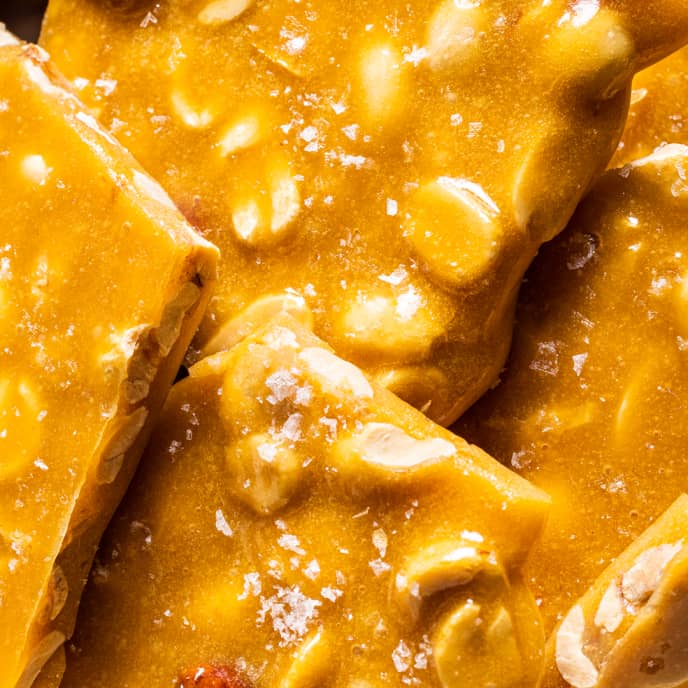
Unlock the Secrets to Unforgettable Peanut Brittle: Beyond the Basic Recipe
There are few treats as universally beloved as a perfectly crafted piece of peanut brittle. That irresistible combination of buttery richness, salty crunch, and sweet caramel is a nostalgic embrace for many, evoking memories of holidays, family gatherings, or simply a delightful indulgence. While store-bought versions can be tempting, mastering a homemade peanut brittle recipe offers a depth of flavor and a level of satisfaction that simply can't be matched. If you've ever been intimidated by the thought of making candy from scratch, fear not! With a few key insights into the science behind this classic confection, especially regarding the crucial roles of baking soda and butter, you'll be creating batches of flawless brittle in no time.
The Allure of Perfect Peanut Brittle: More Than Just a Candy
From its satisfying snap to its melt-in-your-mouth texture, peanut brittle holds a special place in the hearts of candy lovers. It's the kind of treat that transforms a simple afternoon into a celebration, and it makes for an exceptional homemade gift during the holidays. Imagine a beautifully wrapped tin filled with glistening, golden shards – a true magic surprise for anyone who receives it. Many, like myself, grew up with a fondness for high-quality brittle, perhaps even a revered brand like See's Candies, setting a high bar for what perfect peanut brittle should be: incredibly smooth, profoundly buttery, and delightfully crunchy without being tooth-shattering.
The journey to creating such a masterpiece at home often feels daunting, akin to making caramel, but in reality, the processes are quite similar, primarily differing in the final cooking temperature. The key to unlocking that professional-grade quality lies not just in following instructions, but in understanding the 'why' behind specific ingredients and techniques. And that's where baking soda and butter come into their own.
Unlocking the Secret: The Power of Baking Soda
If you've ever bitten into a piece of brittle that felt more like a rock than a delicate confection, you've likely encountered brittle made without the secret weapon: baking soda. This humble pantry staple is the unsung hero of the perfect peanut brittle recipe, playing a pivotal role in achieving that signature airy, crisp, and truly "brittle" texture.
How Baking Soda Works Its Magic:
- Creating Air Bubbles: When baking soda (sodium bicarbonate) is added to the hot sugar syrup, it reacts with the acid in the mixture (often from brown sugar or corn syrup) and the heat. This reaction produces carbon dioxide gas, which gets trapped within the candy.
- Preventing a Tooth-Cracking Hardness: These tiny air bubbles are absolutely crucial. They aerate the sugar matrix, transforming what would otherwise be a dense, glass-like sheet into a lighter, more delicate structure. It's these microscopic pockets of air that allow the brittle to break apart easily and pleasantly, rather than posing a dental hazard. Think of it as candy foam!
- The Visual Transformation: One of the most satisfying moments in making peanut brittle is when you stir in the baking soda. The rich, amber caramel instantly becomes light, foamy, and much paler in color. This visual cue is your signal that the baking soda is doing its job and distributing those essential air pockets throughout the mixture.
Pro Tip: Timing is everything with baking soda. Add it right at the very end of the cooking process, just after removing the mixture from the heat and usually right before stirring in the peanuts. Stir it in quickly and thoroughly, but don't overmix. You want those bubbles to form and stay put!
Butter Up! The Role of Richness in Your Brittle
While often underestimated, butter is another cornerstone of an exceptional peanut brittle recipe. Many recipes call for just a couple of tablespoons, which, while functional, might leave you with a brittle that's a bit too plain or dry. For that luxurious, melt-in-your-mouth quality reminiscent of premium store-bought brittle, you need to be generous with the butter.
What Butter Brings to Your Brittle:
- Unparalleled Smoothness: Butter contributes a silky, smooth texture to the candy base, preventing it from feeling rough or grainy on the palate.
- Decadent Flavor and Aroma: Beyond texture, butter infuses the brittle with its characteristic rich, creamy, and slightly sweet flavor. This complements the toasted peanuts and caramelized sugar beautifully, creating a more complex and satisfying taste profile.
- Enhanced Crunch: While seeming counterintuitive, butter can also contribute to the brittle's desired snap. Its fat content helps to stabilize the sugar crystals, leading to a firmer, more satisfying break.
Salted vs. Unsalted Butter: This is a common question. Unsalted butter gives you more control over the overall saltiness of your brittle. Many recipes call for a pinch of salt to balance the sweetness, and if you use unsalted butter, you can adjust this precisely. However, using good quality salted butter can also be fantastic, adding an extra layer of savory depth that perfectly contrasts the sweetness, creating that irresistible sweet and salty combination. If you opt for salted butter, you might omit any additional salt called for in the recipe, or reduce it to taste.
For a foolproof method that champions a buttery crunch, check out this guide on Easy Homemade Peanut Brittle: Buttery, Crunchy, & Foolproof.
Beyond the Essentials: Mastering Your Peanut Brittle Recipe
While baking soda and butter are critical, a few other best practices will elevate your homemade peanut brittle from good to absolutely legendary.
Preparation is Key (Mise en Place)
Making candy often requires swift action and precise timing. There's no room for fumbling around for ingredients or tools once the sugar starts cooking. Have all your ingredients measured out and ready to go in individual bowls. Line your baking sheet with parchment paper, or have your granite or marble slab greased and ready. This "mise en place" approach will save you stress and ensure a smooth cooking process.
The Candy Thermometer is Your Best Friend (or a Cold Water Test)
Accuracy is vital when cooking sugar to specific temperatures. A reliable candy thermometer is an invaluable tool for ensuring your brittle reaches the 'hard crack' stage (typically around 300-310°F or 149-154°C). If you don't have one, or as a backup, you can perform the cold water test: drop a small amount of the boiling syrup into a bowl of very cold water. If it immediately forms hard, brittle threads that snap when bent, it's ready.
Spreading and Breaking Your Brittle
Once the mixture is cooked and the peanuts and baking soda are stirred in, pour it quickly onto your prepared surface. Use an offset spatula or the back of a spoon to spread it thinly and evenly. Work quickly, as it will begin to set as it cools. Allow it to cool completely and harden at room temperature. Do NOT put it in the fridge, as this can introduce moisture and make it sticky or chewy. Once fully cool, you can break it into pieces. A meat mallet or the back of a sturdy spoon works perfectly. I find holding the brittle at an angle and giving it a good whack yields beautifully varied pieces, perfect for popping into your mouth!
Storage Secrets
Store your homemade peanut brittle in an airtight container at room temperature. When stored correctly, it will remain fresh, crunchy, and absolutely irresistible for up to two weeks. Keep it away from humidity to maintain its crisp texture.
For a reliable, time-tested approach, explore Mom's Best Peanut Brittle Recipe: Old-Fashioned Holiday Treat, which encapsulates the essence of this classic.
Conclusion: Your Journey to Peanut Brittle Perfection
Creating perfect peanut brittle at home is not just achievable; it's a rewarding culinary adventure. By understanding the critical roles of baking soda in creating that airy, delicate crunch and butter in providing unparalleled richness and smoothness, you're no longer just following a recipe – you're mastering the art. Embrace the process, have your ingredients ready, trust your thermometer (or your cold water test), and get ready to enjoy batches of homemade candy that are truly second to none. This season, treat yourself and your loved ones to the unforgettable delight of homemade peanut brittle. Happy candy making!
